
Close Menu
    What's Hot

    VW Sportline is the electric GTi the ID.Buzz SHOULD have been

    February 5, 2026

    Why Slate’s CEO Isn’t Too Worried About Cheap Chinese EVs

    February 5, 2026

    CATL’s sodium-ion batteries begin deployment in production-ready passenger vehicles

    February 5, 2026
    Facebook X (Twitter) Instagram
    Intelligent EV News
    Facebook X (Twitter) Instagram YouTube
    • Home
    • EV Cars
    • Best EV Cars
    • EV Reviews
    • EV Models
    • EV Cars News
    • About us
    Intelligent EV News
    Home»EV Models»Precision Ag Sensors Could Be Powered By The Soil They Are Monitoring
    EV Models

    Precision Ag Sensors Could Be Powered By The Soil They Are Monitoring

    adminBy adminJanuary 16, 2024No Comments5 Mins Read
    Facebook Twitter Pinterest LinkedIn Reddit WhatsApp Email
    Share
    Facebook Twitter Pinterest Reddit WhatsApp Email


    Sign up for daily news updates from CleanTechnica on email. Or follow us on Google News!


    The most visible types of clean tech get the most coverage (naturally), so EVs and solar and wind farms and other kinds of emissions-free solutions get a lot of play in the media, but there are a lot of other types of clean tech innovations that are virtually invisible to everyone but those working in the industry.

    One example of a clean tech application that isn’t nearly as well known, but which can have a big impact over time, is the use of sensors on farms and in fields, allowing farmers to know precisely when to water, how much to water, what the soil pH is, the level of soil nutrients, etc., and to gain insights into a variety of other variables as well. Precision agriculture, while a far cry from the romantic ideal of grandpa’s small scale family farm, is allowing more food to be produced from the same amount of land and with the same amount of resources, essentially optimizing farmland and increasing its efficiency.

    All of those sensors needed for precision agriculture require a power supply, such as batteries and/or solar panels, but in the near future, the electricity for many agricultural sensors could come right from the soil they are monitoring.

    A team of researchers from Northwestern University recently published the results of their work using a new type of fuel cell, a soil microbial fuel cell, to power ag sensors and wirelessly transmit the collected data to a base station.

    “If you want to put a sensor out in the wild, in a farm or in a wetland, you are constrained to putting a battery in it or harvesting solar energy. Solar panels don’t work well in dirty environments because they get covered with dirt, do not work when the sun isn’t out and take up a lot of space. Batteries also are challenging because they run out of power. Farmers are not going to go around a 100-acre farm to regularly swap out batteries or dust off solar panels.” — Bill Yen, lead author
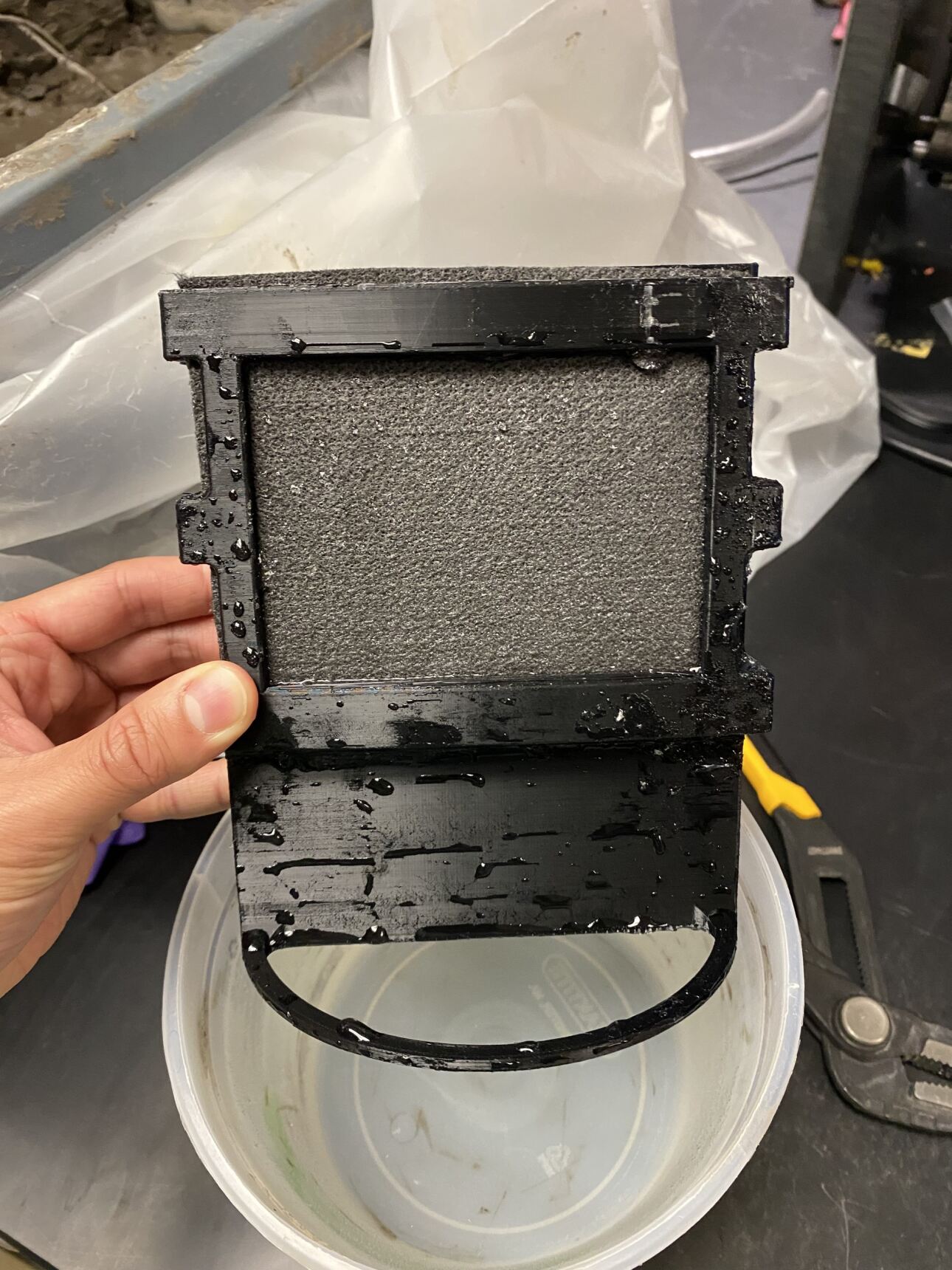
    Image by Bill Yen/Northwestern University

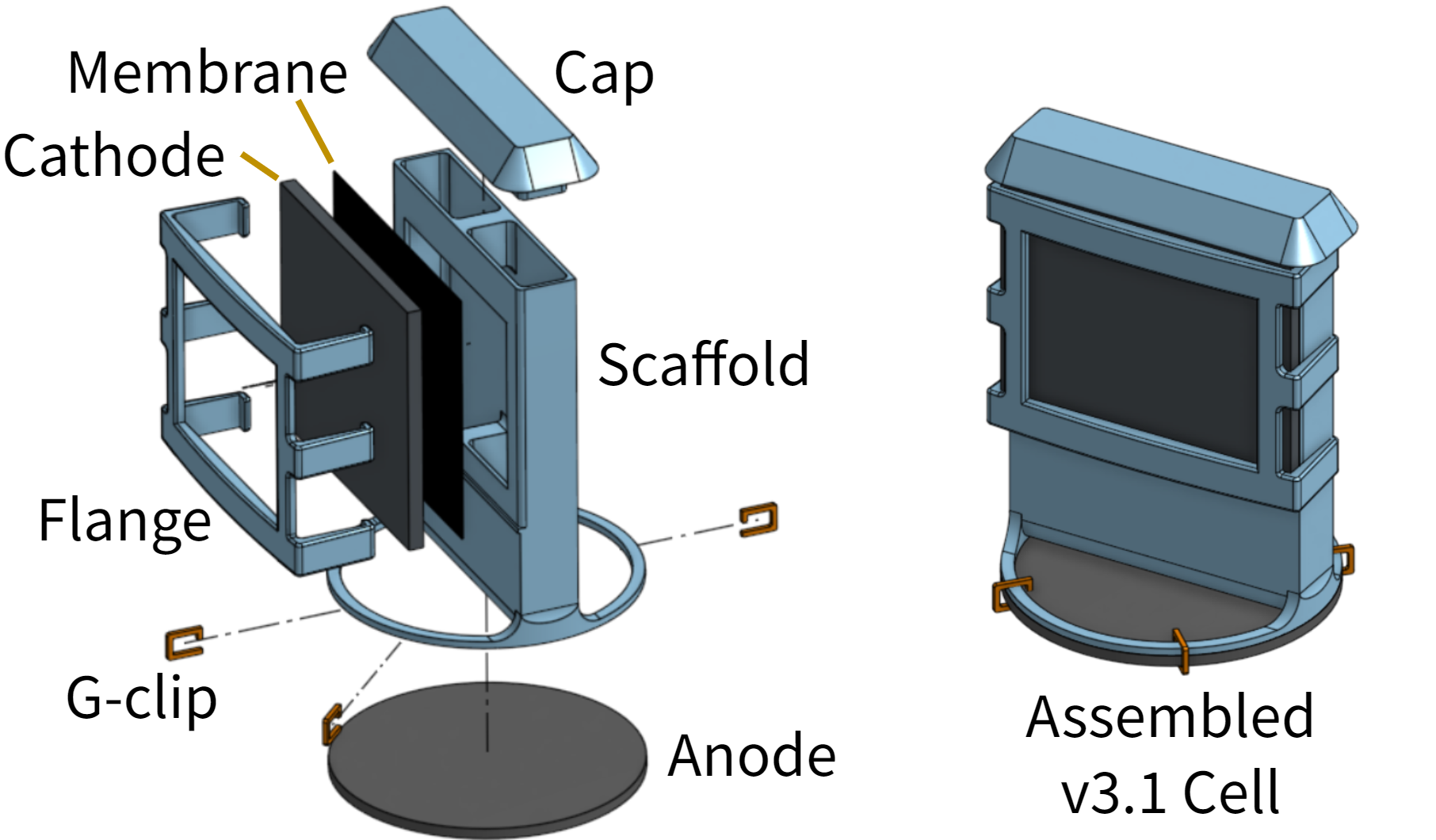
    “About the size of a standard paperback book, the completely soil-powered technology could fuel underground sensors used in precision agriculture and green infrastructure. This potentially could offer a sustainable, renewable alternative to batteries, which hold toxic, flammable chemicals that leach into the ground, are fraught with conflict-filled supply chains and contribute to the ever-growing problem of electronic waste.”

    This type of a low-power energy supply system could have a lot of implications for sustainability as we increasingly monitor and manage everything around us for efficiency and productivity, and the research, which was specifically about “soil-based computing,” may lead to other advances in generating cleaner electrons for our electrified future.

    “These microbes are ubiquitous; they already live in soil everywhere. We can use very simple engineered systems to capture their electricity. We’re not going to power entire cities with this energy. But we can capture minute amounts of energy to fuel practical, low-power applications.” — George Wells, a senior author on the study and an associate professor of civil and environmental engineering

    According to the team, the new soil-based microbial fuel cell not only produced 68 times more power than was needed to operate its sensors, but all the components needed to build the fuel cell “can be purchased at a local hardware store.”

    Study co-author Josiah Hester said, “With the COVID-19 pandemic, we all became familiar with how a crisis can disrupt the global supply chain for electronics. We want to build devices that use local supply chains and low-cost materials so that computing is accessible for all communities.” The researchers said that one next step for them is developing a soil microbial fuel cell made from fully biodegradable materials, which is another key element for sustainability.

    The study, “Soil-Powered Computing: The Engineer’s Guide to Practical Soil Microbial Fuel Cell Design,” was published in the journal Proceedings of the Association for Computing Machinery on Interactive, Mobile, Wearable and Ubiquitous Technologies.


    Have a tip for CleanTechnica? Want to advertise? Want to suggest a guest for our CleanTech Talk podcast? Contact us here.


    Our Latest EVObsession Video

    https://www.youtube.com/watch?v=videoseries


    I don’t like paywalls. You don’t like paywalls. Who likes paywalls? Here at CleanTechnica, we implemented a limited paywall for a while, but it always felt wrong — and it was always tough to decide what we should put behind there. In theory, your most exclusive and best content goes behind a paywall. But then fewer people read it!! So, we’ve decided to completely nix paywalls here at CleanTechnica. But…


    Like other media companies, we need reader support! If you support us, please chip in a bit monthly to help our team write, edit, and publish 15 cleantech stories a day!


    Thank you!


    Advertisement


    CleanTechnica uses affiliate links. See our policy here.


    Source link

    Share. Facebook Twitter Pinterest LinkedIn WhatsApp Reddit Email
    Previous ArticleThat Futuristic Electric Kia Van Could Be Your Next Uber
    Next Article The U.S. Is Deploying 125 New EV Chargers Every Single Day
    admin
    • Website

    Related Posts

    CATL’s sodium-ion batteries begin deployment in production-ready passenger vehicles

    February 5, 2026

    GWM previews 21.71% net income decline in 2025

    January 30, 2026

    BYD aims for 1.3 million overseas sales in 2026

    January 24, 2026

    Porsche’s China deliveries decline for 4th consecutive year

    January 16, 2026

    Xpeng aims for up to 600,000 deliveries in 2026, plans to launch 4 new models, report says

    January 12, 2026

    Nio Firefly right-hand drive model to debut in Singapore on Jan 8

    January 6, 2026
    Add A Comment
    Leave A Reply Cancel Reply

    Latest Posts

    Home solar in rural America: winter storm warning edition

    January 24, 20263 Views

    BMW Is Building A Long-Wheelbase iX3 In China

    January 24, 20263 Views

    BYD aims for 1.3 million overseas sales in 2026

    January 24, 20262 Views

    Canada’s Tariff Cut Just Made This High-Tech Chinese EV 50% Cheaper 

    January 18, 20262 Views

    Nio reaches 50,000th delivery of 3rd-gen ES8 SUV

    January 18, 20261 Views

    Porsche’s China deliveries decline for 4th consecutive year

    January 16, 20263 Views
    Don't Miss
    EV Reviews

    The 2026 Lotus Emira Is Better. But It’s Also Pricier

    By adminAugust 1, 2025

    Lotus announced several updates to the 2026 Emira back in June. The automaker made the…

    GWM sells 104,372 cars in Jul, with NEVs contributing 33%

    August 1, 2025

    Automakers’ NEV market share in China in 2023: BYD 35%, Tesla 7.8%, Nio 2.1%

    January 10, 2024
    Stay In Touch
    • Facebook
    • Twitter
    • Pinterest
    • Instagram
    • YouTube
    • Vimeo
    • LinkedIn

    Subscribe to Updates

    Get the latest on EVs and everything you want to know on what's happening in Electric Car's world. Updated delivered straight to your mailbox. Subscribe to our newsletter.

    Our Picks

    Watching Wonder Woman 1984 with an HBO Max Free Trial?

    January 13, 2021

    Wonder Woman Vs. Supergirl: Who Would Win

    January 13, 2021

    PS Offering 10 More Games for Free, Including Horizon Zero

    January 13, 2021

    Can You Guess What Object Video Game Designers Find Hardest to Make?

    January 13, 2021
    • Facebook
    • Twitter
    • Pinterest
    • Instagram
    • YouTube
    • Vimeo
    Don't Miss
    EV Cars

    VW Sportline is the electric GTi the ID.Buzz SHOULD have been

    By adminFebruary 5, 2026

    VW have finally built the van enthusiasts have been asking — and it’s not the…

    Why Slate’s CEO Isn’t Too Worried About Cheap Chinese EVs

    February 5, 2026

    CATL’s sodium-ion batteries begin deployment in production-ready passenger vehicles

    February 5, 2026

    Volvo’s CEO Thinks The U.S. Market Is ‘Perfect’ For EVs. He Has A Point

    January 30, 2026
    About Us
    About Us

    Intelligent Ev News your go-to source for the latest news and insights on electric vehicles(EVs). Whether you're a car enthusiast or just curious about the future of transportation, we have you covered with up-to-the-minute coverage of the electric vehicle industry.

    Facebook X (Twitter) Pinterest YouTube WhatsApp
    Our Picks

    VW Sportline is the electric GTi the ID.Buzz SHOULD have been

    February 5, 2026

    Why Slate’s CEO Isn’t Too Worried About Cheap Chinese EVs

    February 5, 2026

    CATL’s sodium-ion batteries begin deployment in production-ready passenger vehicles

    February 5, 2026
    GAllery

    Type above and press Enter to search. Press Esc to cancel.

    Ad Blocker Enabled!
    Ad Blocker Enabled!
    Our website is made possible by displaying online advertisements to our visitors. Please support us by disabling your Ad Blocker.